
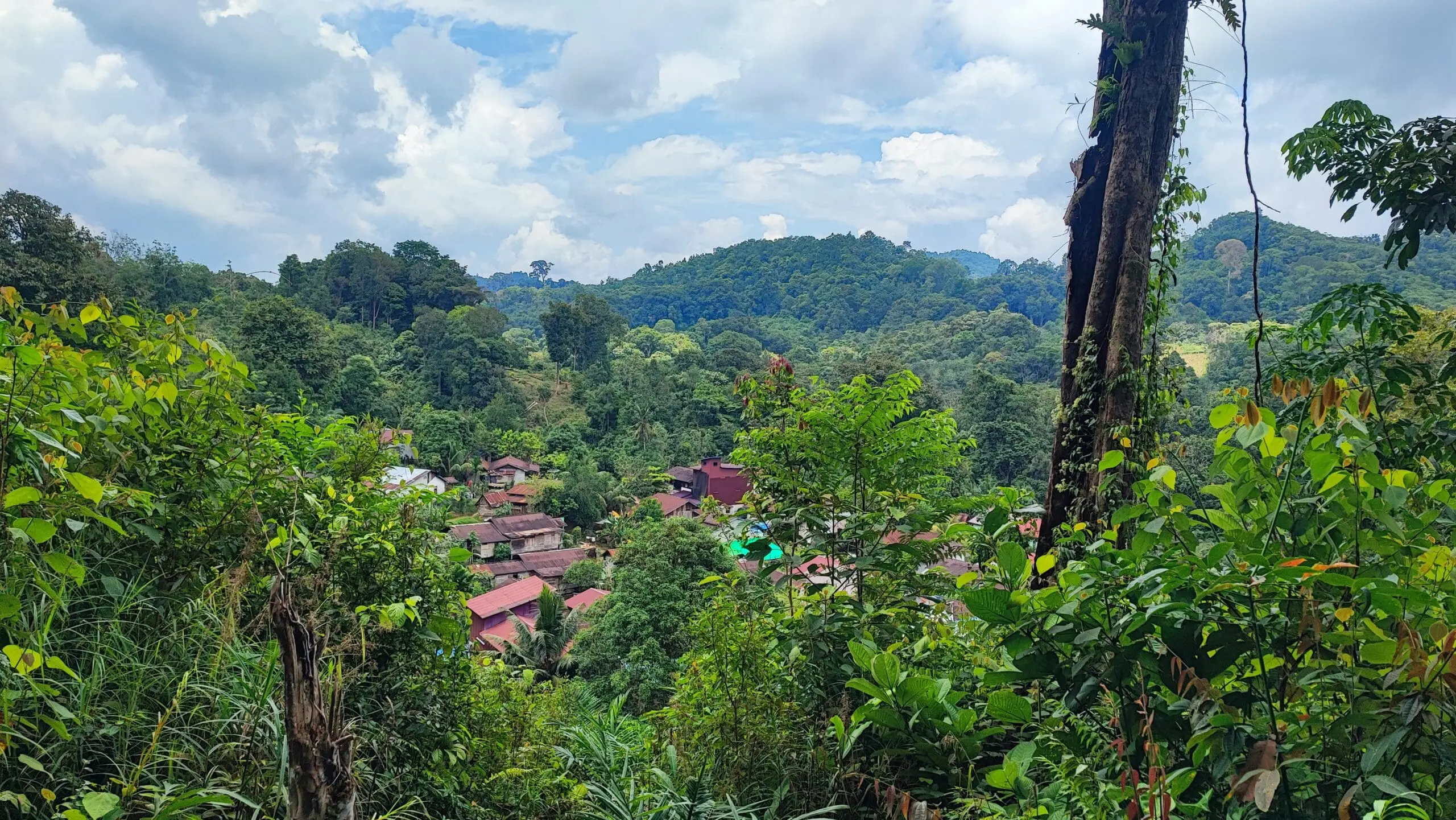
By clarifying its forest boundaries, collecting data on forest conditions, organizing to establish access agreements, and navigating Indonesia’s legal frameworks on tenure rights, in 2025, the community of Pulau Tujon completed the lengthy and legal process of strengthening its sovereignty. Through the government of Indonesia’s Social Forest scheme, they were permitted 5,000 ha of village forest territory. While this level of the social forestry scheme does not transfer full land ownership to communities, the Village Forest permit does mean clearer access rights and decision-making power over forest management for the well-being of the village and protection of the forest.
With their sustainable management strategies and work plan built, they now need to implement them.
The approved plans serve as official guidelines for sustainable forest management. In Pantok Village, Sekadau, the Community Governance Body Pulau Tujoh, is using Collective Governance Funds of around USD 6,500 to support the implementation of conservation and livelihood activities that increase ecosystem-based adaptation and climate resilience.
From the people of Pulau Tujoh in their proposal:
One of the biggest threats to our forests and homes is the slow degradation and pressure on the land, primarily led by agricultural encroachment, land clearing and illegal logging. Sometimes this is pressure from outsiders, but in the past it has been from our own community members. Lack of stable income sources or diversified financing options led to unsustainable dependency on forest resources.
After forming working groups and crafting our community vision, in 2025, we built a 10-year management plan that was approved by the Social Forestry Office. We now have 5,000 hectares to protect, rehabilitate, and steward. That means conserving biodiversity, maintaining ecosystem function, and recovering degraded areas, as a community.
To do this, our CGB is growing, our leadership capacity is developing, and we need to improve the transparency of our systems to report activities and finances for our working group’s understanding and for our members to participate fully. These are the everyday realities of our governance body in formation as we take on this new responsibility and authority.
As our members now have access to non-timber forest products, business enterprise working groups in forest honey, coffee, and processed non-timber forest products are active but do not have market permits and no reliable access to broader markets. Business group members need business and management training suitable to their situation and built for growth.
These are the physical and practical foundations needed for the whole community to uphold natural-resource utilisation, forest management, and protection together. Turning our social forestry decree from a document into a 10-year operation.
The headline outcome is: 5,000 hectares of Village Forest formally established under active community management.
Within this, we will have a board of fourteen members, operating with a complete structure, active leadership, and transparent activity and financial reporting aligned with our 10-year work plan. To help carry this institutional weight, eighty-three households that are members of the CGB work with them as direct partners in the management plan.
We will have natural-resource utilisation guidelines formally endorsed and adhered to community-wide, not as compliance with an external standard, but as our community agreement.
Board and business members trained in business management, with the correct marketing permits and access to broader markets. Ensuring community businesses move from concept to enterprise and finally growth stages, supporting communities with consistent annual growth and net profit, adding diversified and sustainable income.
Over time, these institutional changes will underpin an improvement of our ecosystem, and in the future, we will apply for and expand our village forest area. The result is a functioning Village Forest institution that meets both the ministry’s requirements and our own standard: one built not on obligation, but on genuine community ownership of the land, the resources, and the future.
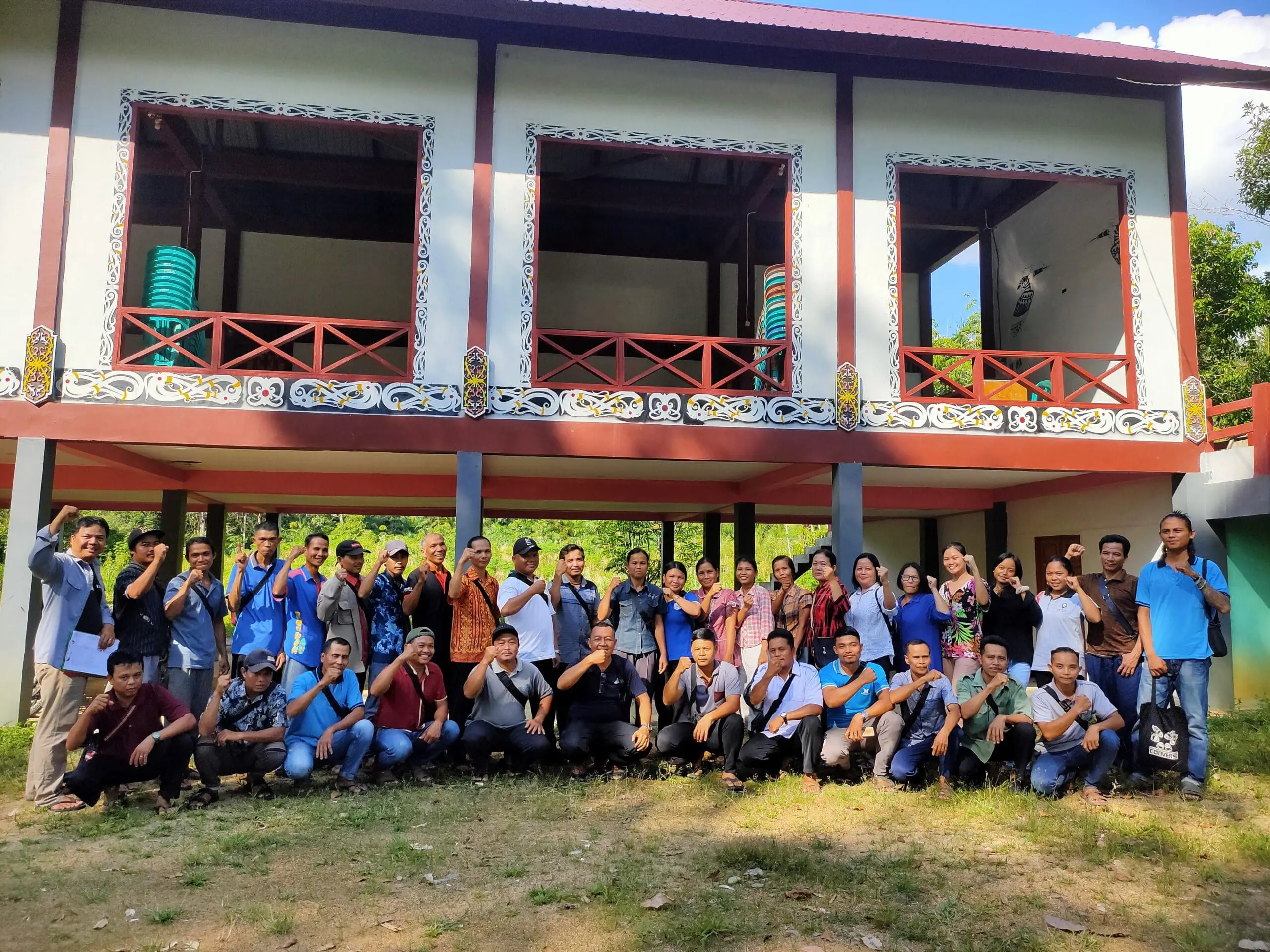
Indonesia has one of the most ambitious community-forestry frameworks in the region. What that framework needs to deliver durable conservation outcomes is strong community bodies. Communities that can organize, build management plans, run patrols, manage the enterprise pathway, and unlock the potential for a more just and better future.
Most external funding does not reach these institutions. CGF channels flexible, multi-year grants directly into CGBs like LD Pulau Tujoh, sized to where the CGB is on the Governance Index.