
In 2024, the community of Samben Jaya in Engkangin came together to build a clean water system that serves 129 households. They funded it through a community exchange of firearms. Eighty members surrendered one hundred and twenty firearms and raised USD $10,000 (IDR 180 million). Collectively, clean water was more important. Now in 2026, deforestation threatens that clean water supply, and the communities most vulnerable – those who are elderly or widowed – are facing sanitation issues that are not only impacting their human dignity, but could lead to disease transmission and the unraveling of everything they sacrificed to build.
A solution was devised to solve both issues simultaneously. One that is founded upon the fundamental Indonesian tradition of “gotong royong”, translated in English to “working together”. It is the communal spirit where individuals collaborate for the shared good of the community, and is a form of social solidarity deeply woven into Indonesian society.
What happens next determines whether the clean water system, the livelihoods that depend on it, and the health and well-being of the community, with those most vulnerable at the forefront, lasts for generations to come.
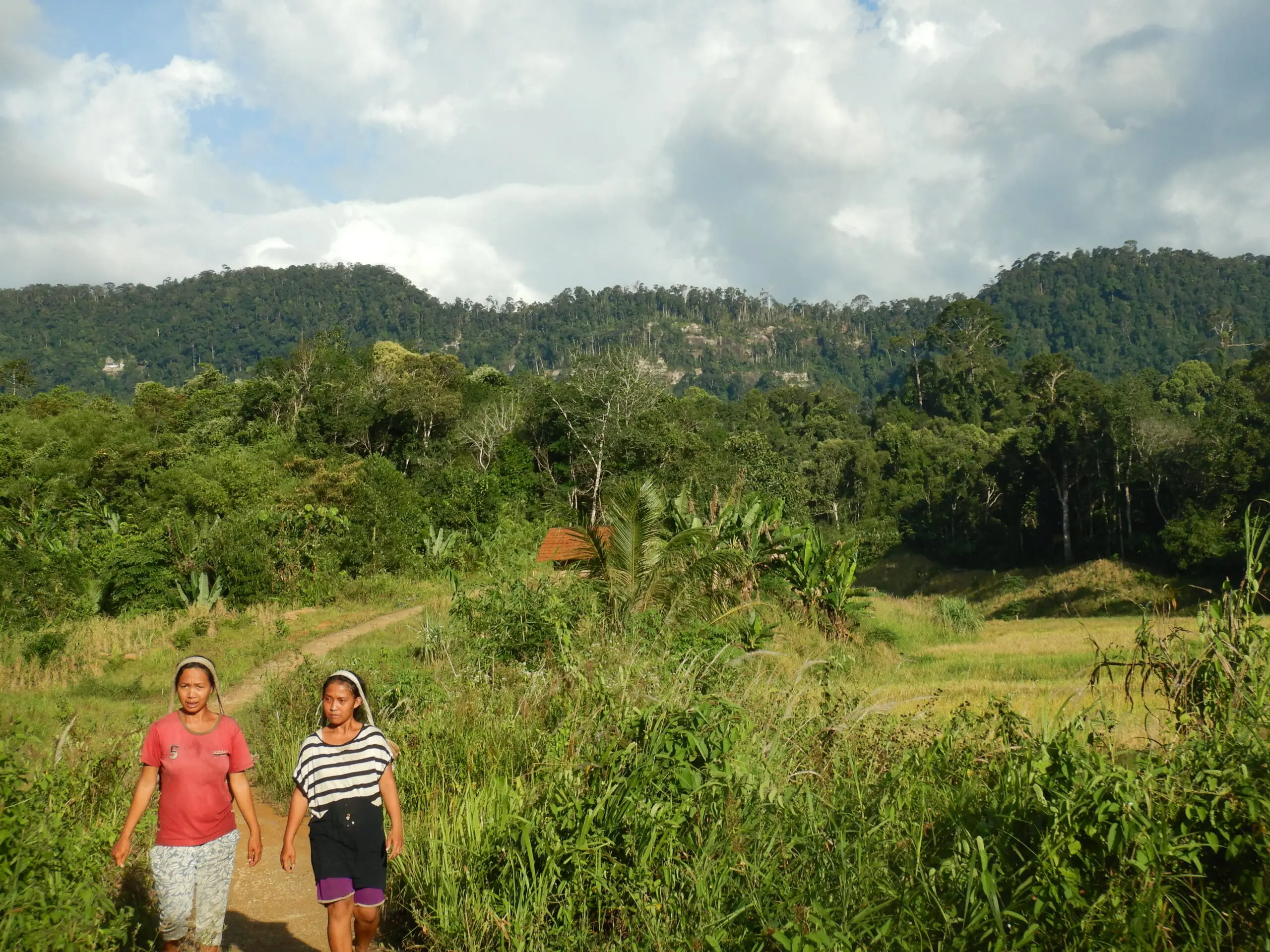
From the people of Samben Jaya in their proposal:
We know the challenges that come when our community struggles to access clean water. For a long time, we relied on rainwater as our primary source of drinking water. In the dry season the wait for rain became a desperate countdown.
This changed in 2024 when we completed a clean water reservoir, dam and plumbing system.
Our community works on the principles of “gotong royong”, the spirit of collective effort and cooperation, and the construction of the clean water system was a prime example of this. We funded this project, in part, from the 2019 firearms exchange program with our Village government and Air Besar District police. It was a solution to address our clean water shortages, while simultaneously reducing wildlife poaching within the area, an urgent problem identified by our SMART patrol team.
Now in 2026, open, deforested areas are compromising the fresh water spring and reservoir. 129 households are now at risk of losing their access to clean water. Additionally, the most vulnerable in our community, those widowed and elderly, are lacking basic social services, and access to sanitary toilets.
We turned once again to the values of gotong royong and to solutions that solve both of these matters simultaneously, for the overall wellbeing of all in our community. Then we look further, to build for the future. Limited mechanism for accessing government subsidies in agricultural production – fertilizer, seeds, agricultural facilities – and lack of supplies for more members to diverse their protein sources an income through freshwater fishing remains a challenge.
Our group is committed to developing various productive and sustainable activities to build a safe, comfortable, and sufficient community that continues to protect nature as the foundation of life.
Firstly, fourteen vulnerable households will have functioning sanitation, with more accessing health services and the community will have a secure clean water system, with 1,020 trees planted around the reservoir, stabilizing the land preventing erosion and filtering pollutants.
Fish farmers won’t be left behind, with eighty fish farmers trained in freshwater fish farming and connected to government support through the government’s RDKK (Rencana Definitif Kebutuhan Kelompok) mechanism, with at least 80% able to explain and apply what they have learned. The dependency of chemical fertilizer will be reduced as the Organic Fertiliser House will be running with a shredder and grass cutter, equipment owned by the community. And our cooperative will be legally registered, with at least 70% of our CGB board able to demonstrate real understanding of cooperative structure, responsibilities, and administration. These changes span health, sanitation, finance, soil, and livelihoods, but they share a single foundation. That foundation is the presence of clean water and our community governance body that holds all of this together.
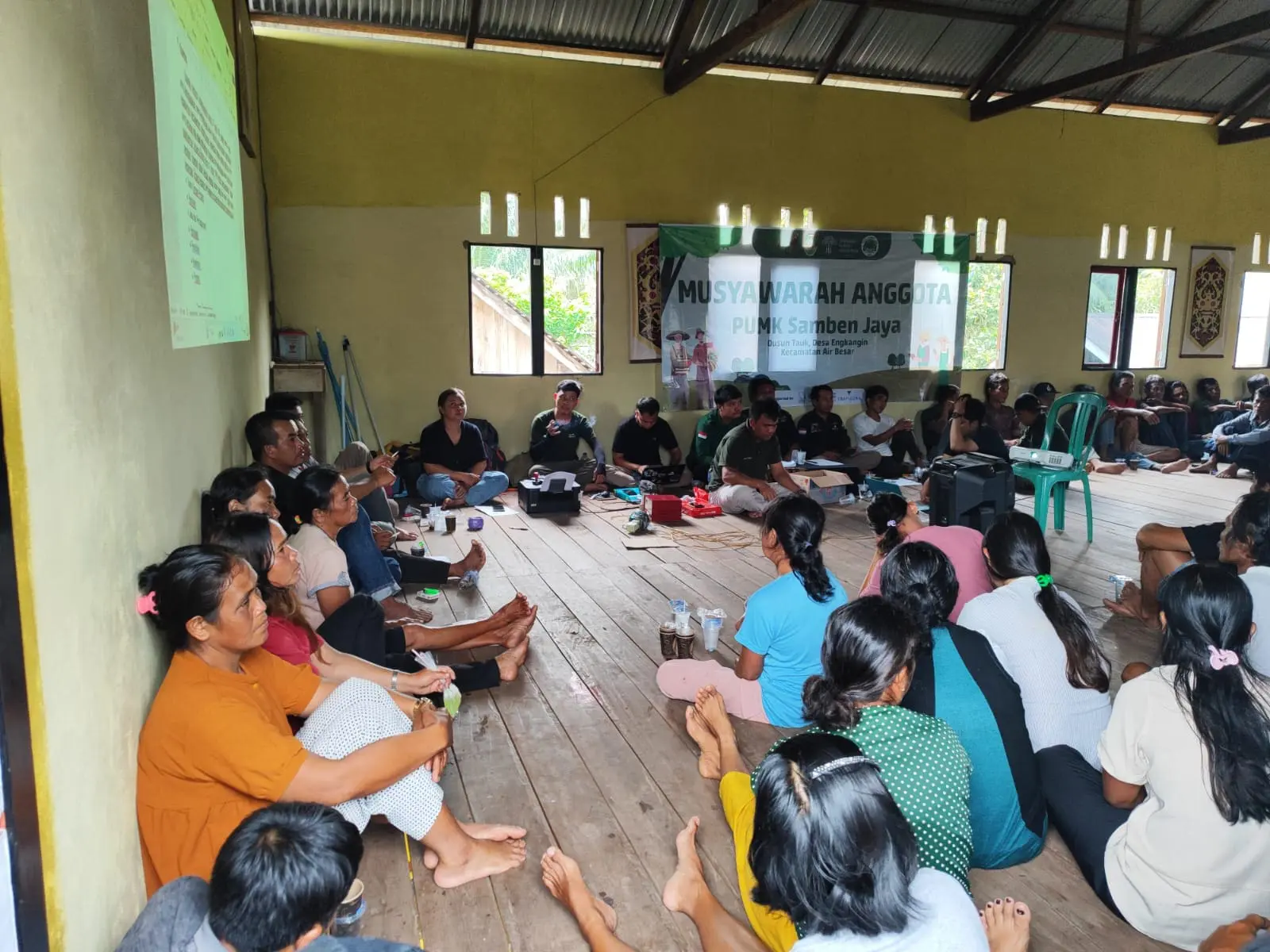
CGB Samben Jaya work plan is exactly the kind of integrated reality that conventional funding architectures cannot reach. There is not a single output but across health, sanitation, cooperative finance, soil management, and livelihoods, the CGB is the common thread.
The CGF can and the work plan is designed by the CGB itself. Without this kind of support, the risks are real: stunted institutional growth, a disrupted clean water supply, and continued barriers to business development and government access.
It is one of the clearest cases for why ‘integrated’ is not a buzzword. It is simply what the work looks like when an institution is strong enough to hold it, and champions the community’s own values and principles.